Key Goals
Custom Tennis/Pickleball Orthotics
Why Tennis-Specific Orthotics Matter:
- Multidirectional Movement Support: Tennis requires unique orthotic design to manage lateral and diagonal forces.
- Shock Absorption: Reduces cumulative impact on hard courts.
- Shoe Fit: Custom orthotics can be slimmed to fit tennis shoes without compromising performance.
- Fatigue Reduction: Enhances endurance by reducing unnecessary muscle strain.
Custom orthotics for tennis players can be incredibly helpful in both preventing injuries and managing existing foot and lower limb pathologies. Tennis involves high-impact movements: quick lateral cuts, sudden stops, pivots, and explosive starts, all of which put serious stress on the feet, ankles, knees, and hips.
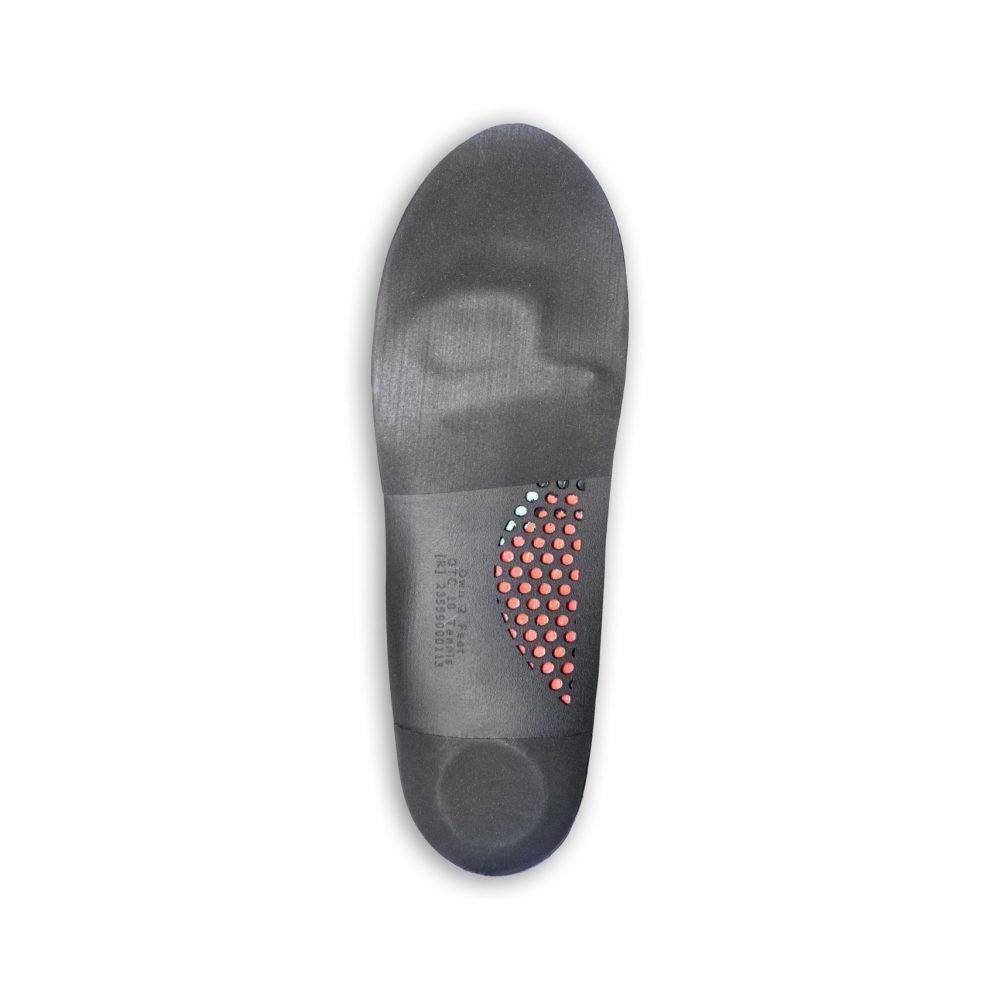
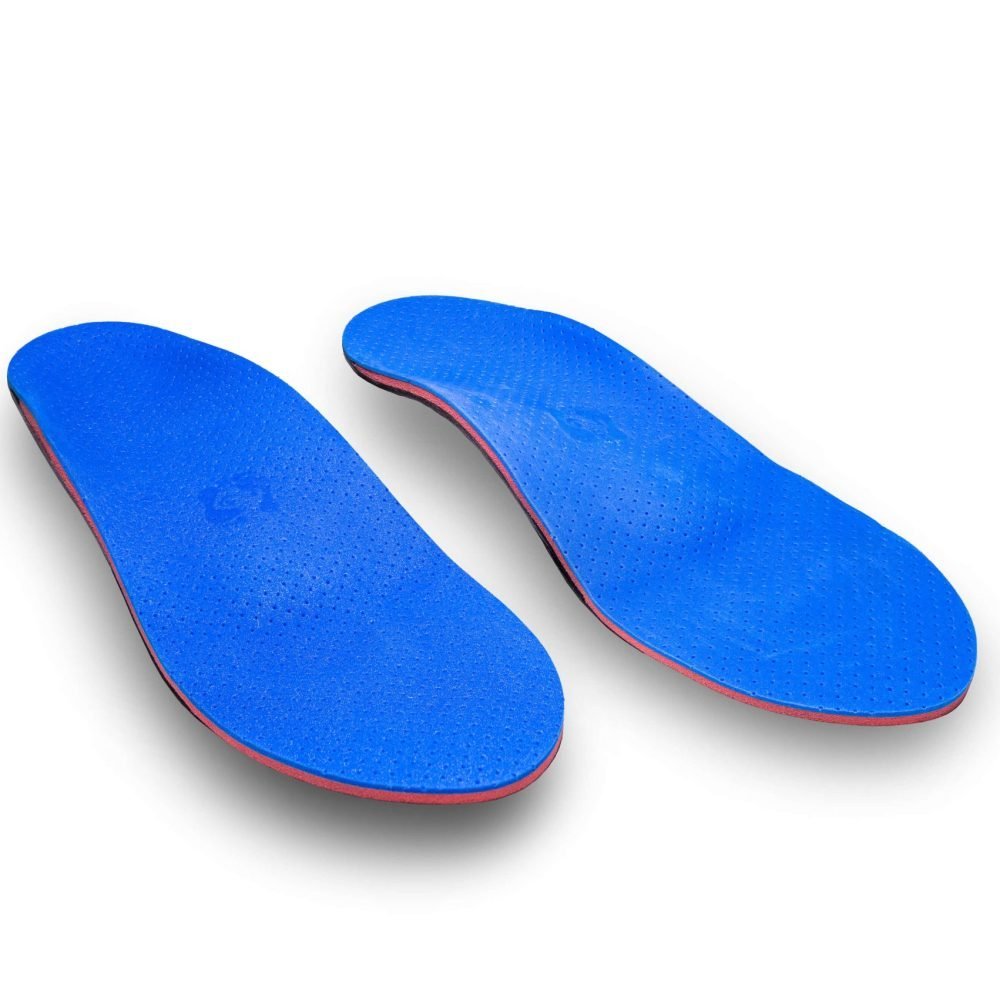
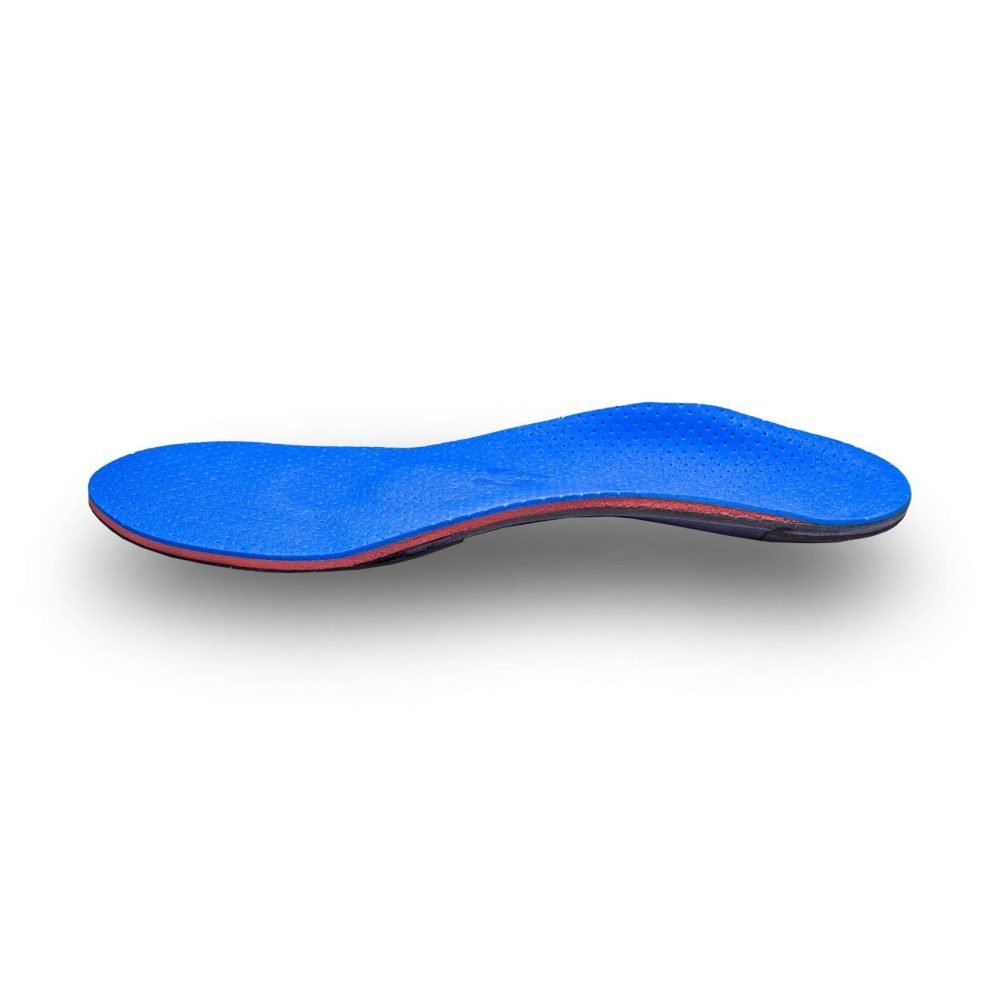
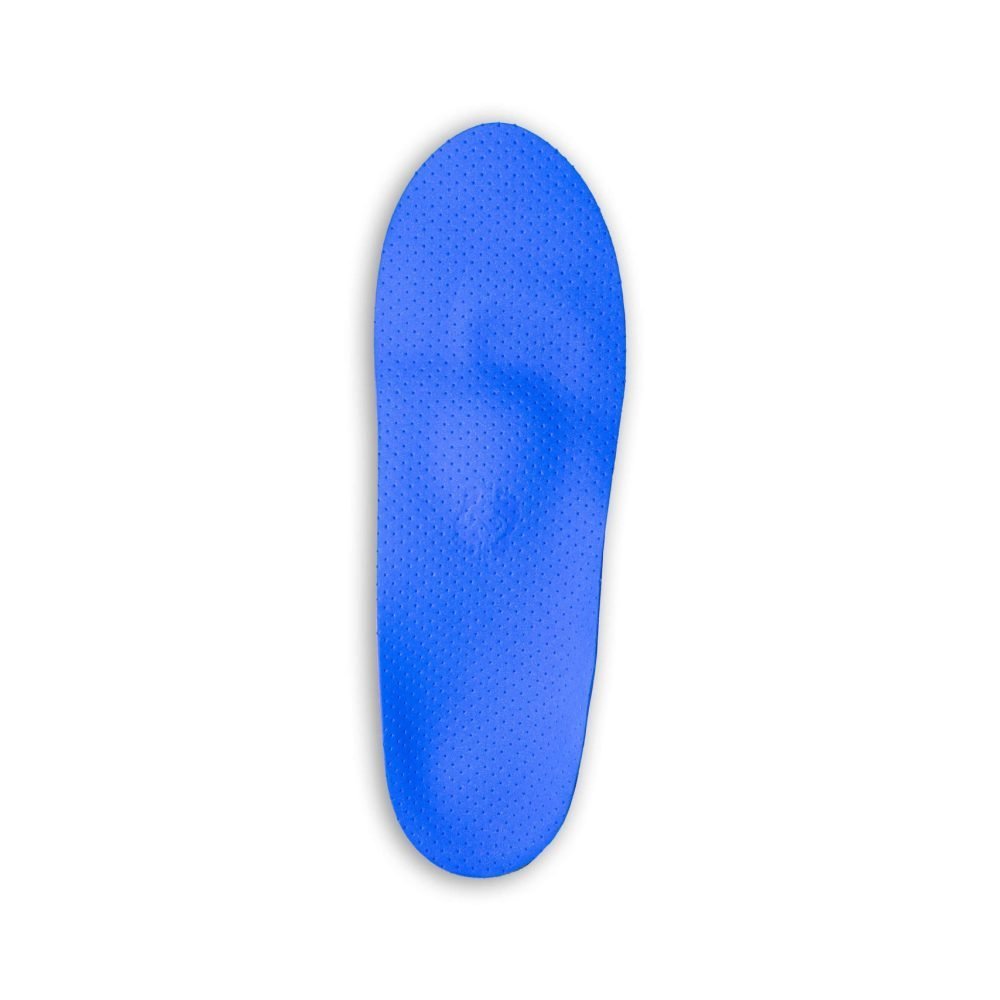
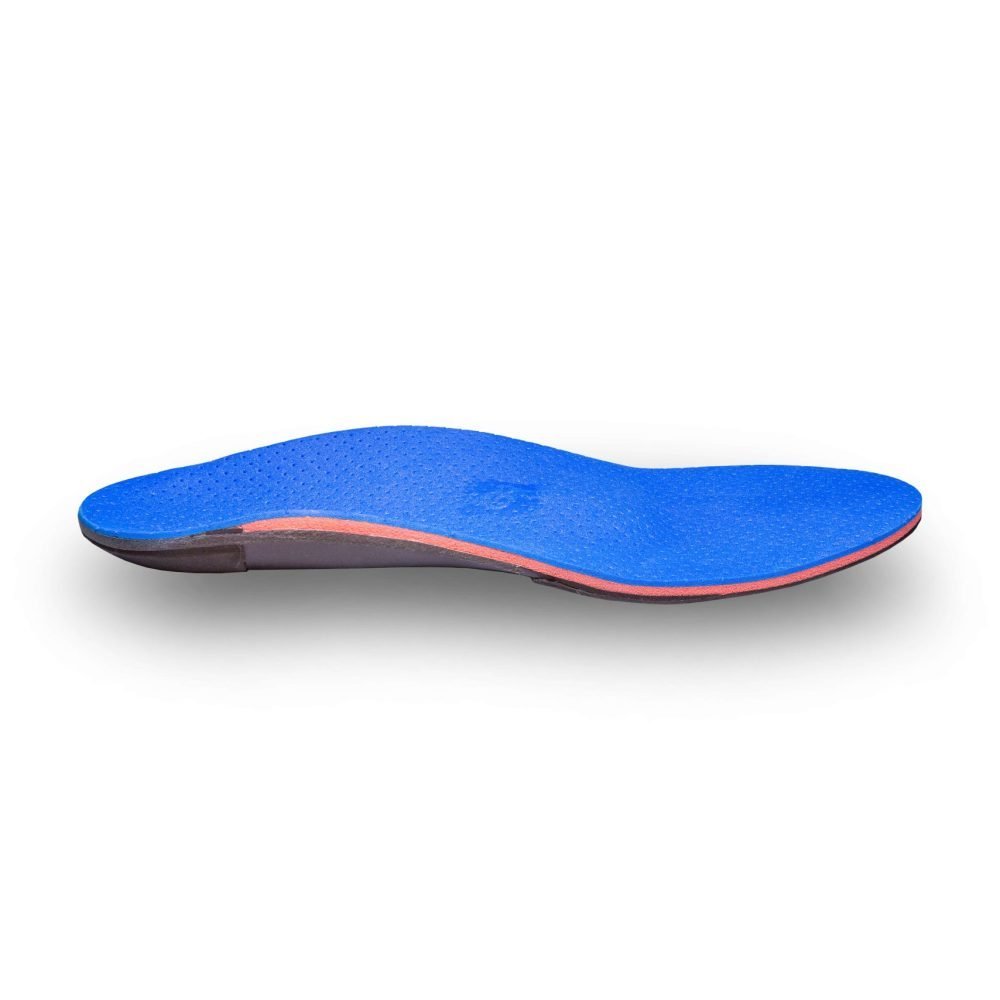
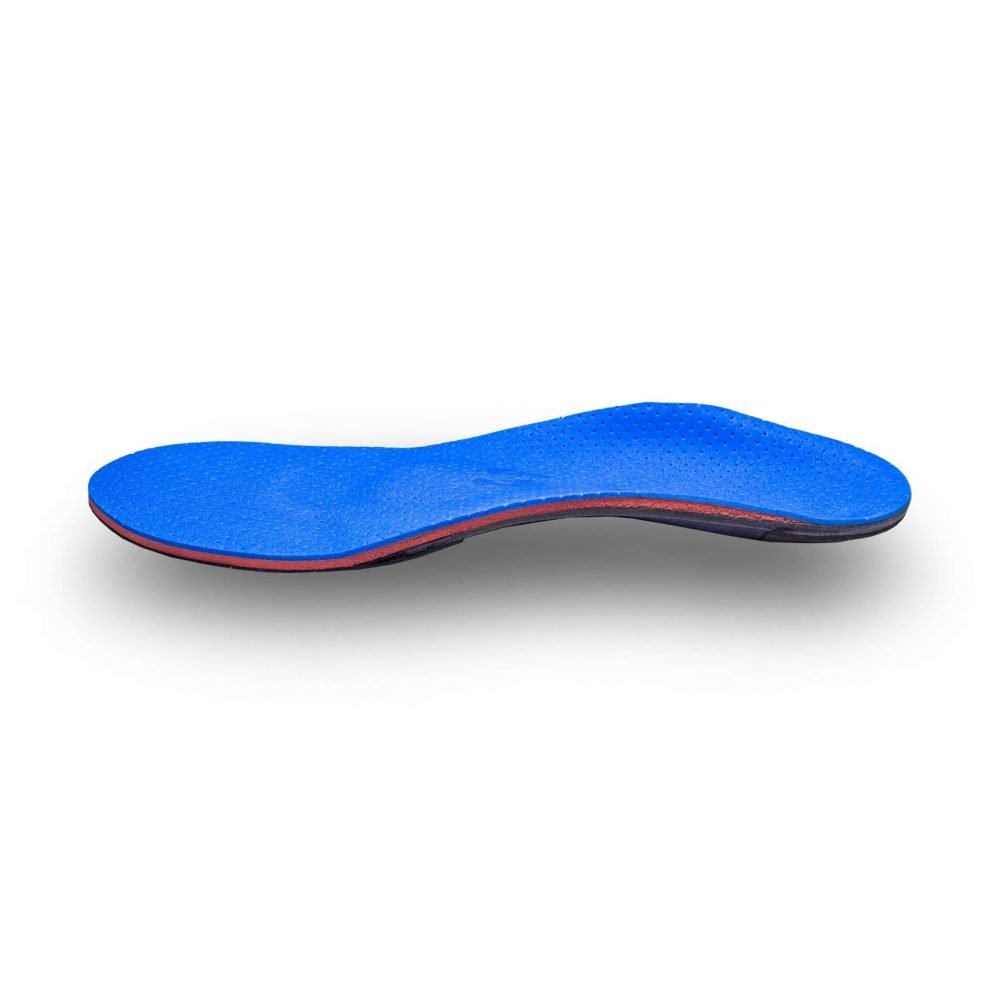
CUSTOM TENNIS/PICKLEBALL ORTHOTICS
Our custom tennis orthotic is designed with many objectives in mind. First, the orthotic has evolved from years of Research and Development engaging professionals ranging from Licensed footcare specialists, physical therapists, kinesiologists, and of course tennis professionals. The orthotic is designed with the motions inherent to the games of tennis/pickleball in mind. The emphasis is placed first on lateral motion. Our heel flange sets us apart as it limits ankle roll and possible ankle sprain. Second, tennis players are taught to be on the balls of their feet and ‘on their toes’! This can result in a painful ball of the foot pain known as metatarsalgia. Third, cushioning is key to the hard ground forces. The tennis/pickleball prototype is specifically designed for these three critical factors.
We are most proud that the orthotic is also designed with foot health in mind. Tennis enthusiasts suffering from plantar fasciitis, metatarsalgia, neuromas, arthritis, ankle, knee pain, and others can count on a process designed to understand those factors that inhibit maximal participation in the game they ‘love’……tennis!
- 1. One-of-a-Kind 3-D design
- 2. Looks and performs like NOTHING on the market today
- 3. Custom 3-D scan via our patented Fore2Feet scanning app available on the Apple Store
Design Characteristics
- Provides ankle support via our flange that gently prevents the ankle from rolling thus reducing the risk of injury.
- There is an elevated pad behind the ball of the foot to provide mid-foot stability
- Our 3-D printing design places ‘pockets’ just under the ball of the foot with cushioning under them. This keeps you on your toes in comfort!
- We build in an additional pocket under the big toe with a wedging system just behind it to keep you moving forward!
Features and Benefits
- Deep heel cupping made to exact anatomy of the tennis players heel to prevent ankle sprains
- Cushioning in key areas required to prevent foot pain with tennis players
- Precise 3-D Printing Design
- Reduces foot fatigue
- Made to Fit in any tennis shoe
Foot Pathologies That Custom Orthotics Can Help With in Tennis
|
Pathology
|
How Golf Orthotics Help
|
|---|---|
|
Plantar Fasciitis
|
Cushions the heel, supports the arch, and reduces impact from running and jumping.
|
|
Heel Spurs
|
Offloads heel pressure and reduces shock during court movements.
|
|
Flat Feet (Overpronation)
|
Supports the medial arch to prevent ankle collapse and improve stability.
|
|
High Arches (Supination)
|
Enhances shock absorption and evenly distributes impact during dynamic movements.
|
|
Metatarsalgia
|
Offloads the forefoot, especially during toe-off in sprint starts.
|
|
Morton’s Neuroma
|
Relieves pressure between metatarsal heads from tight-fitting tennis shoes.
|
|
Posterior Tibial Tendon Dysfunction (PTTD)
|
Reinforces the arch to decrease strain on the posterior tibial tendon.
|
|
Achilles Tendonitis
|
Reduces heel lift stress and corrects gait mechanics that stress the Achilles tendon.
|
|
Turf Toe (Hallux Limitus/Rigidus)
|
Limits painful toe dorsiflexion with stiffened forefoot or rocker modifications.
|
|
Bunions and Hammer Toes
|
Relieves pressure and improves foot alignment within tight toe boxes of golf shoes.
|
|
Shin Splints
|
Reduces overpronation and enhances shock absorption during high-intensity play.
|
|
Knee Pain (e.g., Patellofemoral Syndrome)
|
Improves lower limb alignment and reduces torque through the knee joint.
|
|
Low Back Pain
|
Promotes even weight distribution and spinal alignment from the ground up.
|
|
Ankle Instability / Sprains
|
Provides lateral support and reduces excessive foot motion during side-to-side cuts.
|
|
Stress Fractures (Foot/Metatarsals)
|
Distributes load and minimizes impact stress on vulnerable bones.
|
|
Hip & Lower Back Pain
|
Promotes better posture and alignment from the ground up, reducing overcompensation.
|